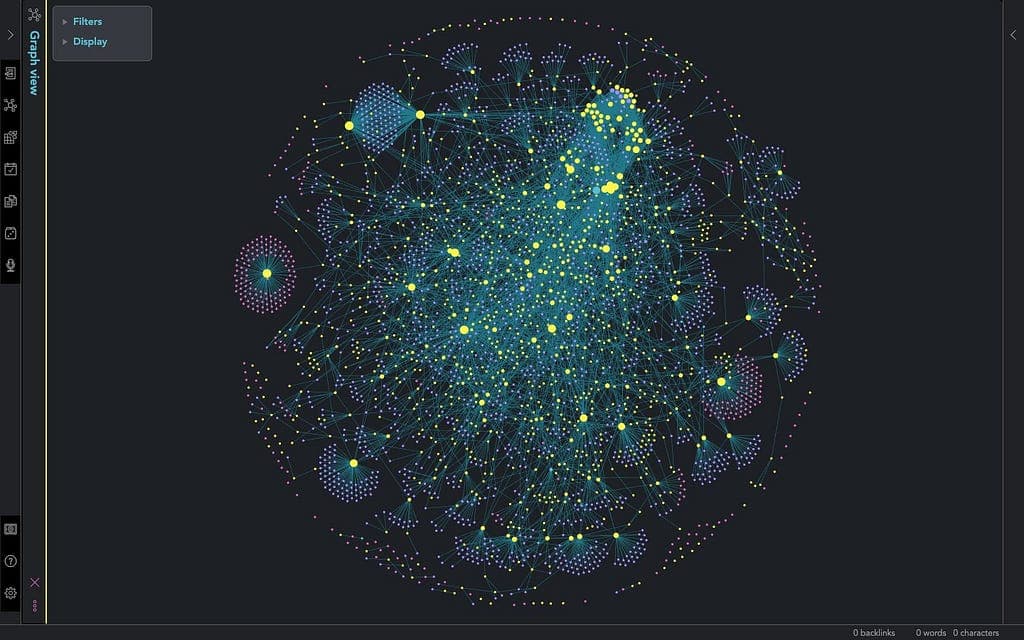
Agents will be far more useful to people who have structured, persistent memory. (I have started using obsidian)
Andrej Karpathy sensei’s “LLM Knowledge Bases / Wiki” idea makes this obvious. If you haven’t come across it, look it up.
Things you can document:
- Ongoing projects and key decisions (and why you made them)
- Mistakes, failed attempts, and what you’d do differently
- Blind spots you noticed
- Patterns in yourself (triggers, biases, energy levels)
- Patterns in others (motivations, hidden incentives, red flags)
- What conditions help you perform at your best
- Workflows you repeat
- Your mental models and shortcuts
- How you handle crises and high-pressure situations
- Lessons from hiring, firing, and team dynamics
- Your long-term bets and warning signs that could kill them
- Ethical tests and value conflicts you’ve faced
- Full decision reviews (what you expected vs. what actually happened)
- Negotiation and influence tactics that worked
- Your network and who you can actually trust
- Opportunities you passed on and what you learned
- Repeatable rituals before high-stakes moves
- Relationship patterns (what strengthens or breaks bonds)
- Health and habit experiments
- Learning techniques that actually stuck
- What puts you in flow and what quietly wastes your day
- Daily productivity triggers
- Everyday financial choices and outcomes
- Creative sparks and where they led
- Emotional lessons from tough times
- Personal values and how they’re shifting
- Experiences worth repeating
- Communication styles that work best for you
- Time wasters to cut out
- Things to avoid next time
(add more to this in the comments)
High-performing people have largely been doing this already with their minds😂, notebooks, and systems. That’s part of what makes them effective.
Most of us aren’t wired that way🥲. This system can bridge that gap.
But even for people with great memories and strong systems, this becomes something else entirely with agents. They can connect dots across years of your life. Spot patterns you never noticed. Flag mistakes you’re about to repeat based on what you’ve done before. Surface the right context at the right moment.
There’s only so much mental bandwidth. Why spend it poorly when agents can do things for you?
Your brain has better things to do!