~/nathan
building practical AI systems
Home
Blog
Content
Experience
About
CV
Contact
Toggle light and dark mode
session://blog
$
cat featured/tech.log
Tech Writings
Show more tech posts (13) ↗
Apr 20, 2026
Linear Attention Explained: The Core Concept and the Math, Without the Fluff
Apr 19, 2026
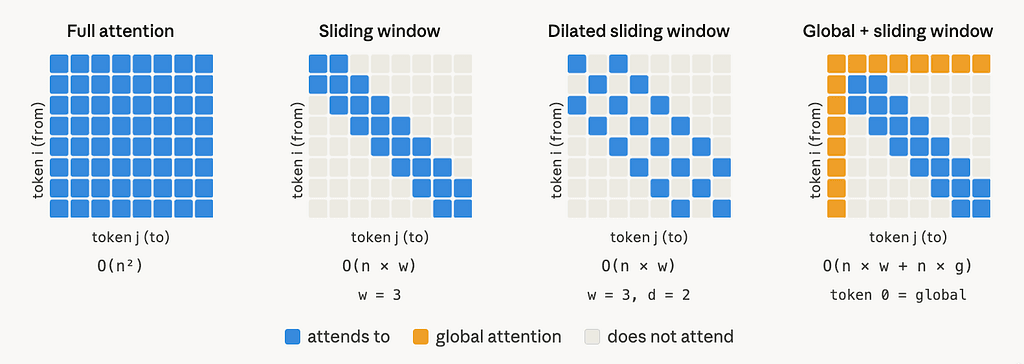
Sliding Window Attention Explained: The Core Concept and the Math, without any fluff :)
Mar 26, 2026
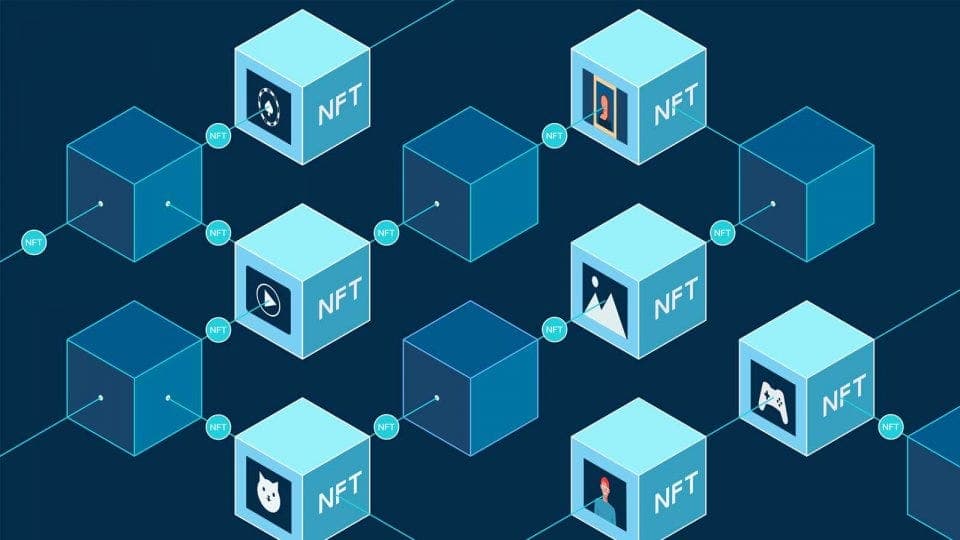
Why Crypto Has Not Beaten Wall Street Yet (And Why That Question Might Be Wrong)
Mar 24, 2026
vLLM: A More Efficient Way to Serve Large Language Models
Mar 19, 2026
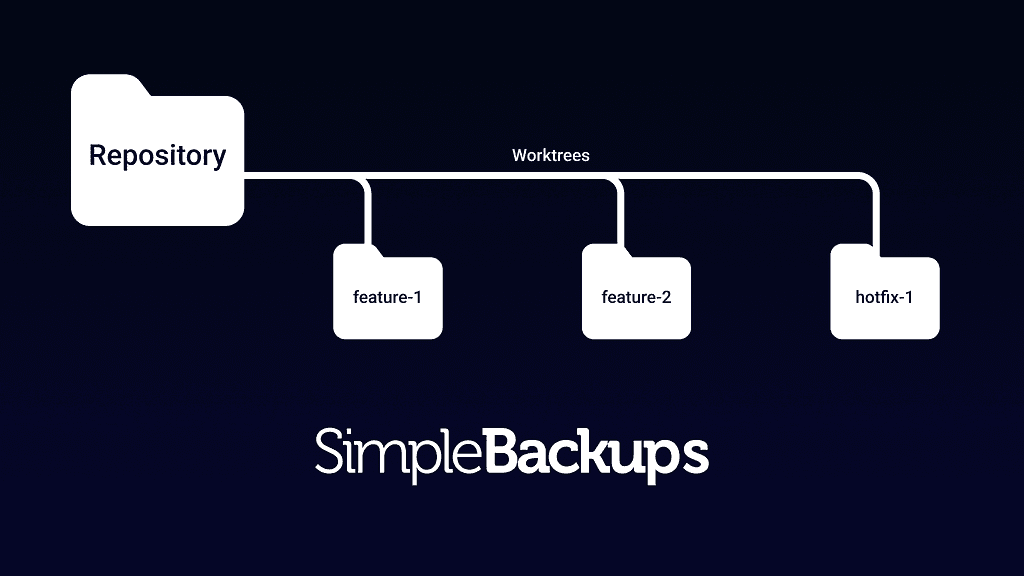
Git Worktrees: The Essential Git Feature Many Developers Still Do Not Use
Mar 18, 2026
Google Analytics Worked on Localhost but Failed on GitHub Pages. Here’s What I Learned.
$
cat featured/beyond-tech.log
Beyond Tech
Show more beyond-tech posts (7) ↗
Jul 21, 2026
Why You Should Not Found Anything If You Don’t Want to Solo Found
May 21, 2026
I Am Choosing Hard Problems
Apr 21, 2026
AI is moving too fast. Here is how I am keeping up